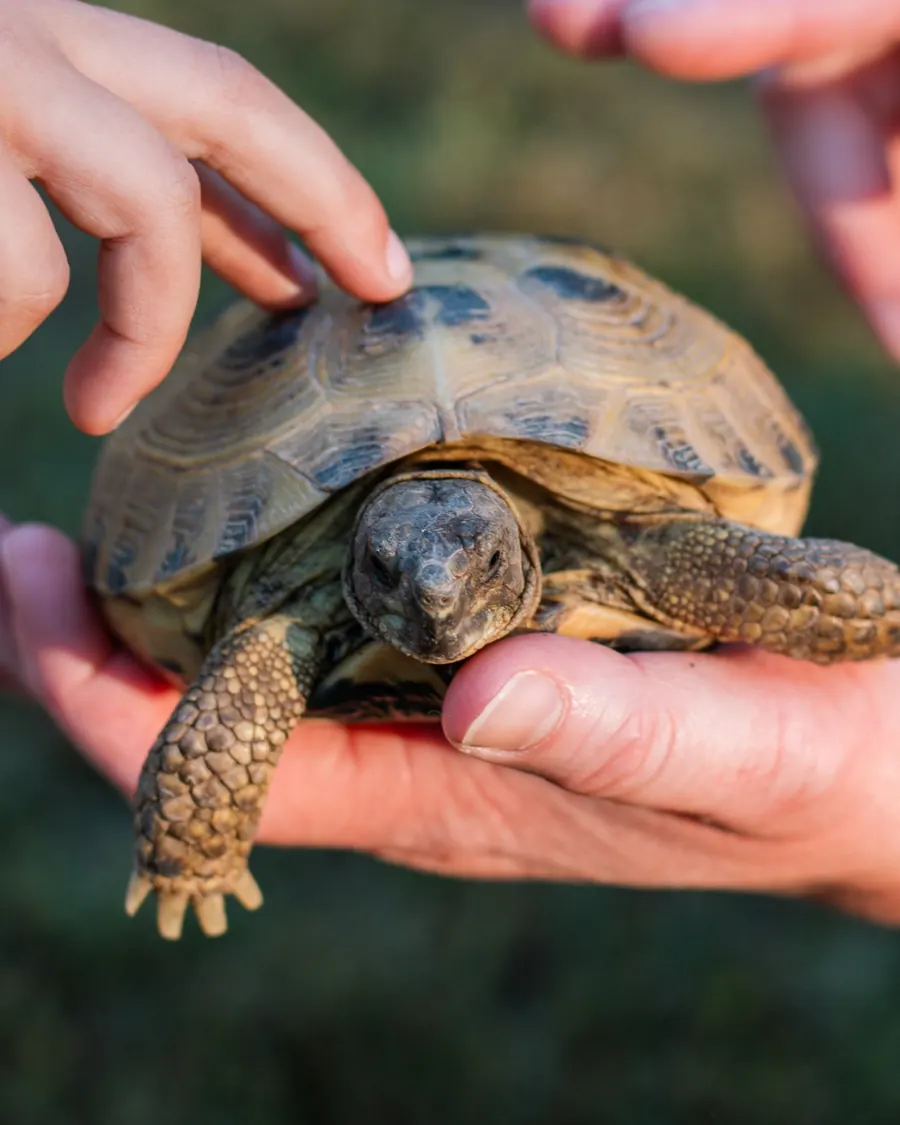
Tortoise
Reptile
A tortoise's shell is part of its skeleton, joined to its spine and ribs, so it can never crawl out of it. Many tortoises live for decades, longer than some people.
Home / Animals
A few of the 15 animals that travel with Dr. Karina.
Schedule a programDr. Karina chooses the animals for each visit based on your program and audience, and she brings each one close so everyone gets a good look.
A tortoise's shell is part of its skeleton, joined to its spine and ribs, so it can never crawl out of it. Many tortoises live for decades, longer than some people.
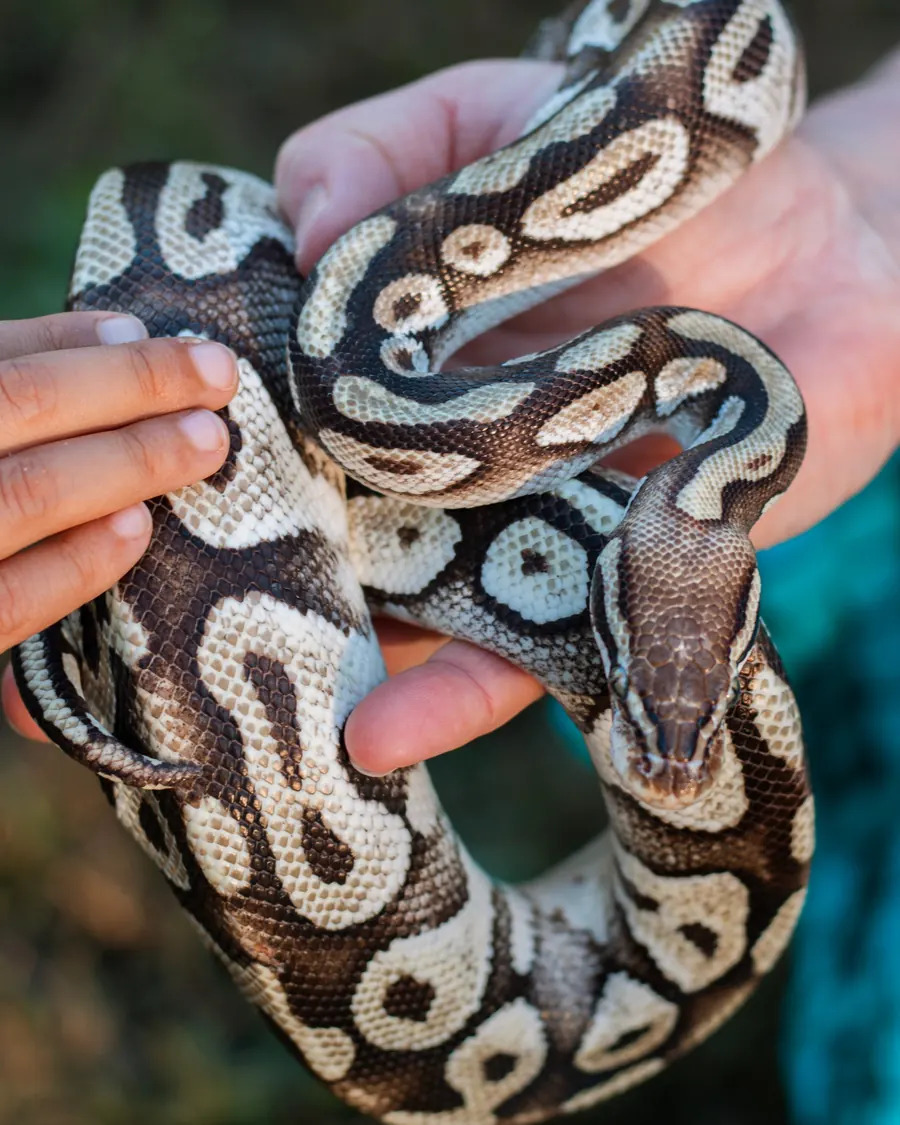
Ball pythons get their name from curling into a tight ball when they feel nervous, with the head tucked safely in the middle. Their scales feel dry and smooth, not slimy.
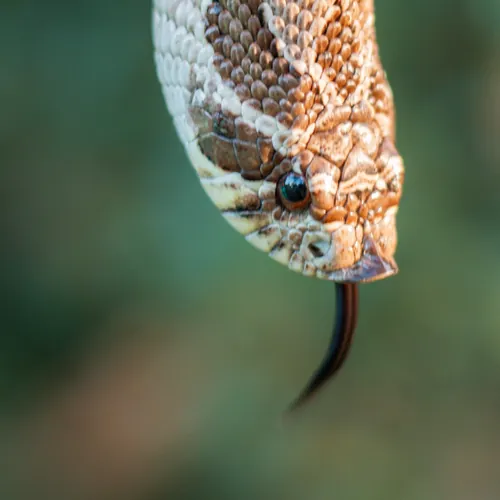
When threatened, a hognose snake puffs up, hisses and may even roll over and play dead. Its upturned snout works like a little shovel for digging.
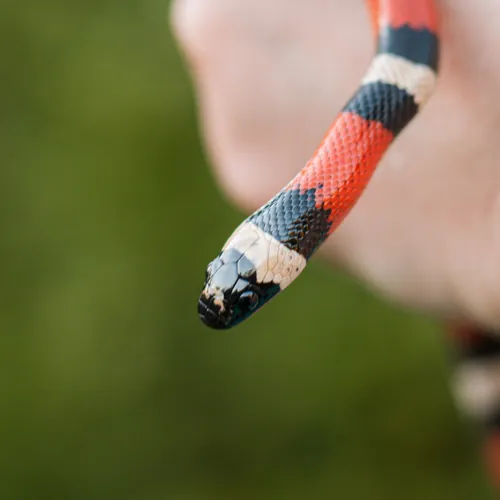
Its red, black and white bands copy the colors of the venomous coral snake, but a milk snake is harmless. Looking dangerous is its best defense.
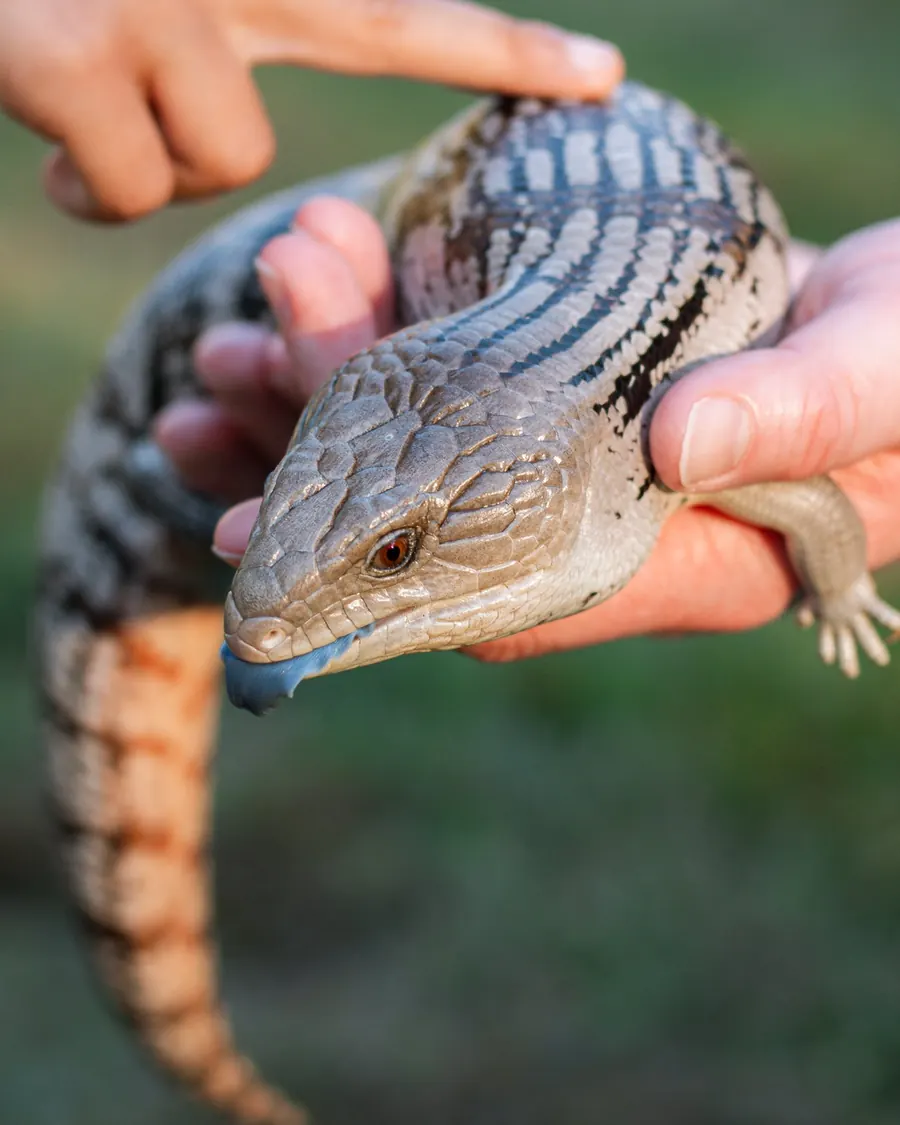
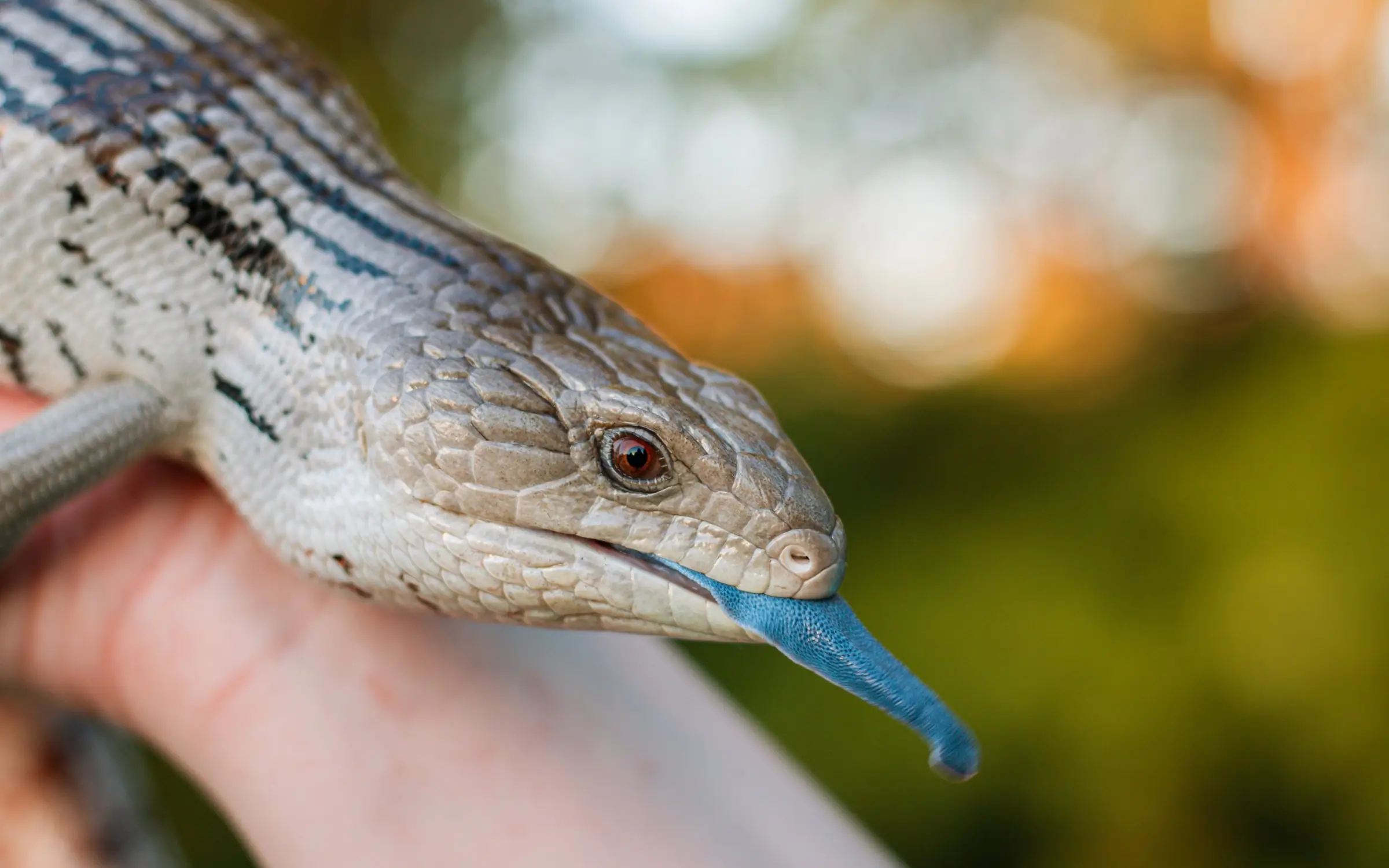
When startled, this lizard opens its mouth wide and flashes a bright blue tongue. Most predators decide it isn't worth the trouble.
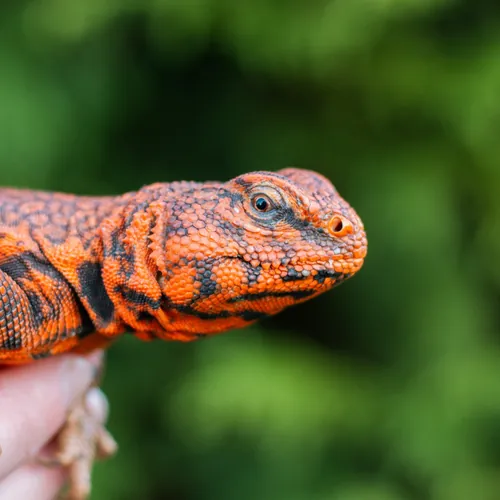
Spiny-tailed lizards come from hot deserts in North Africa and the Middle East. They eat mostly plants and swing their spiky tail like a club when cornered.
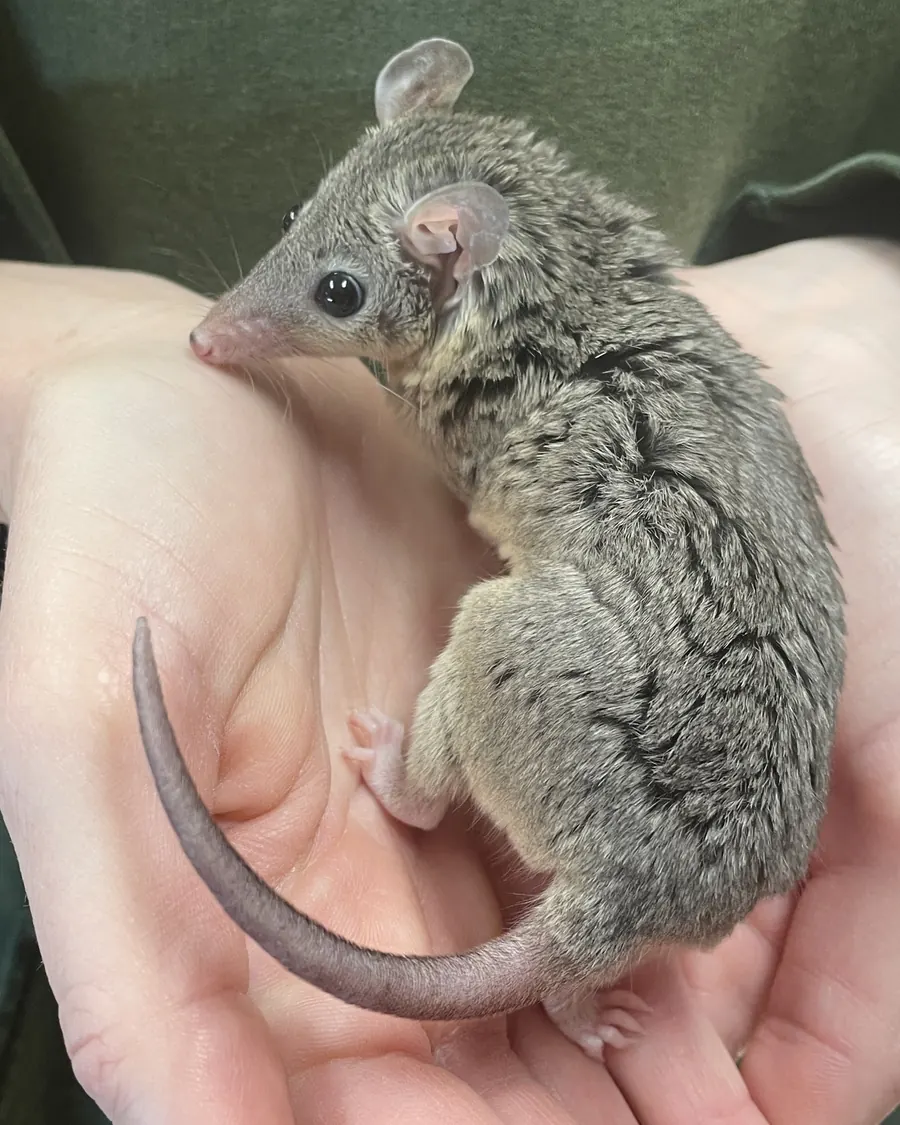
Opossums are marsupials, so they're more closely related to kangaroos than to rats or mice.
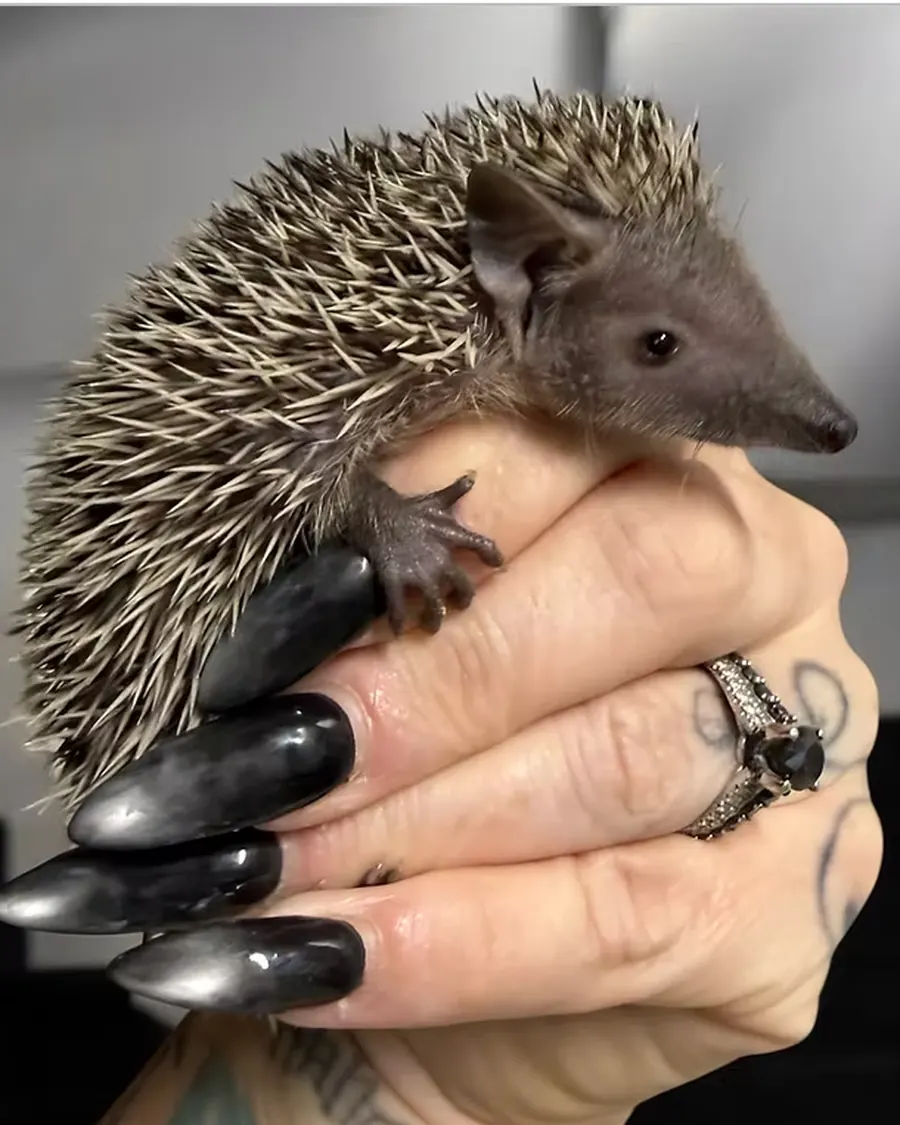
It looks like a hedgehog, but this spiky animal from Madagascar is more closely related to elephants.
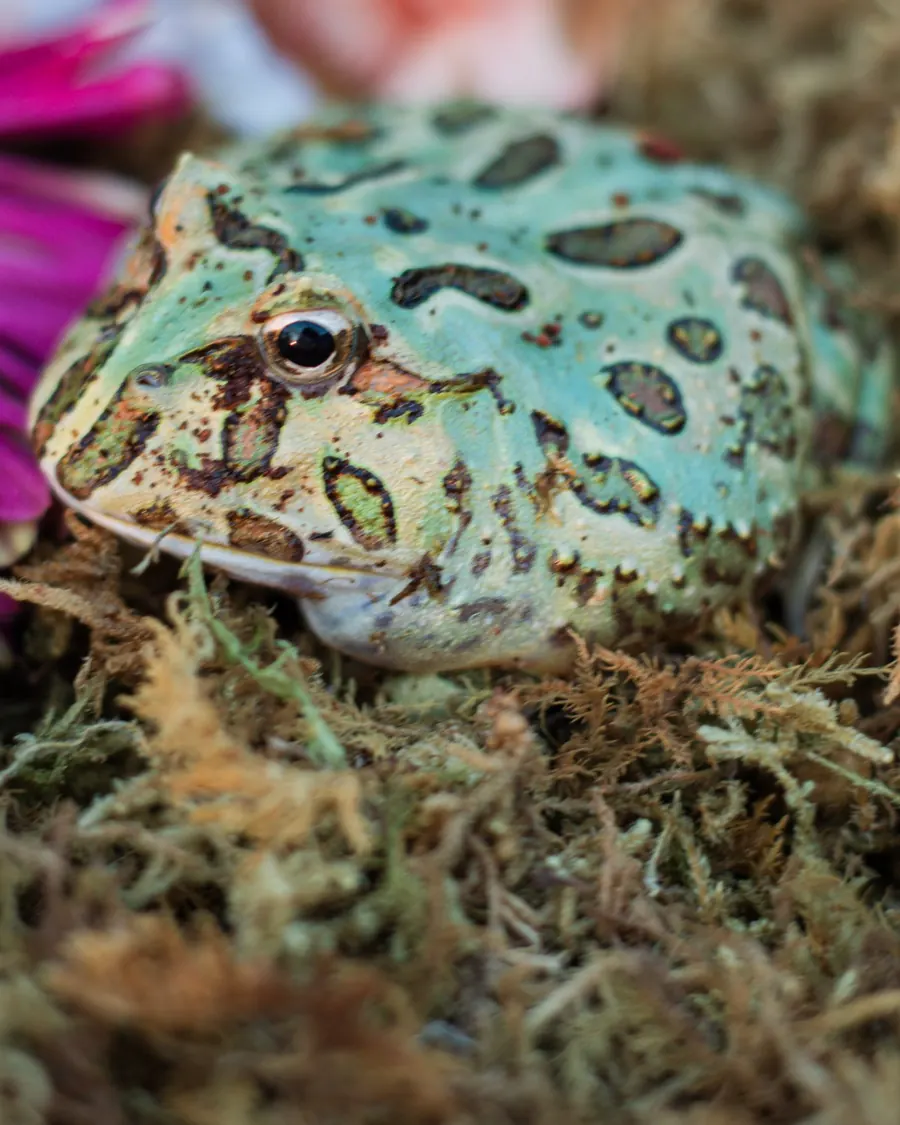
Named for its huge mouth, it sits still and waits for dinner to wander close. Its mouth is almost as wide as its whole body.
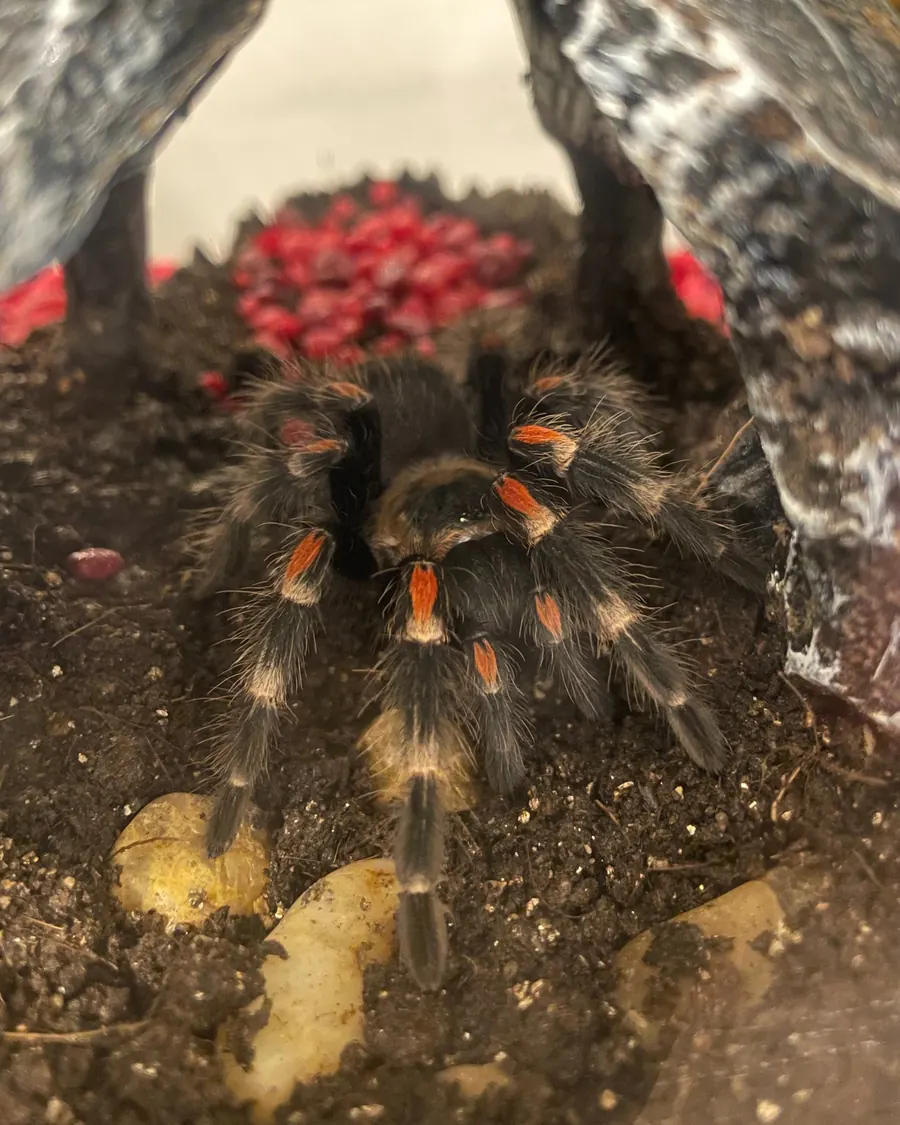
If a tarantula loses a leg, it can grow a new one the next time it sheds its skin. Many tarantulas flick tiny hairs from their abdomen to warn predators away.
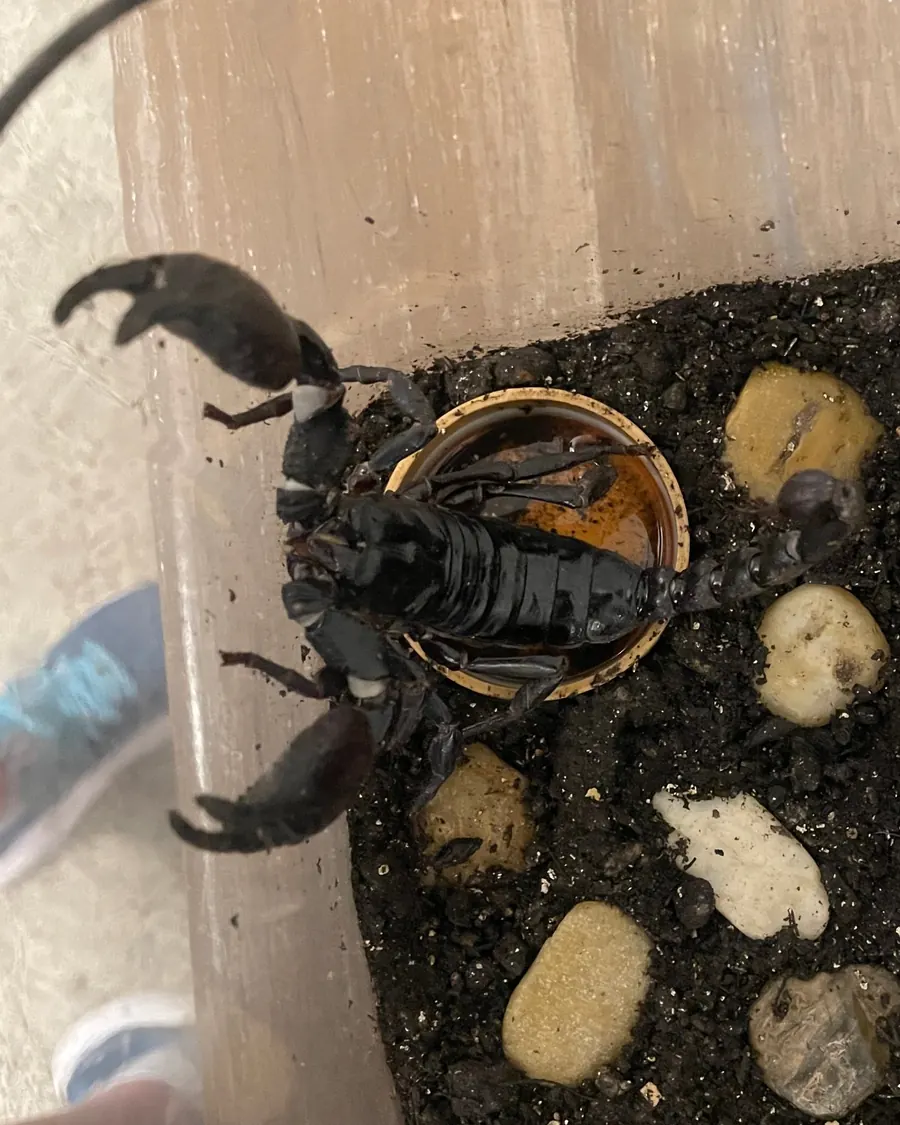
Shine a blacklight on a scorpion and its whole body glows a bright blue-green. Scientists still aren't sure exactly why.
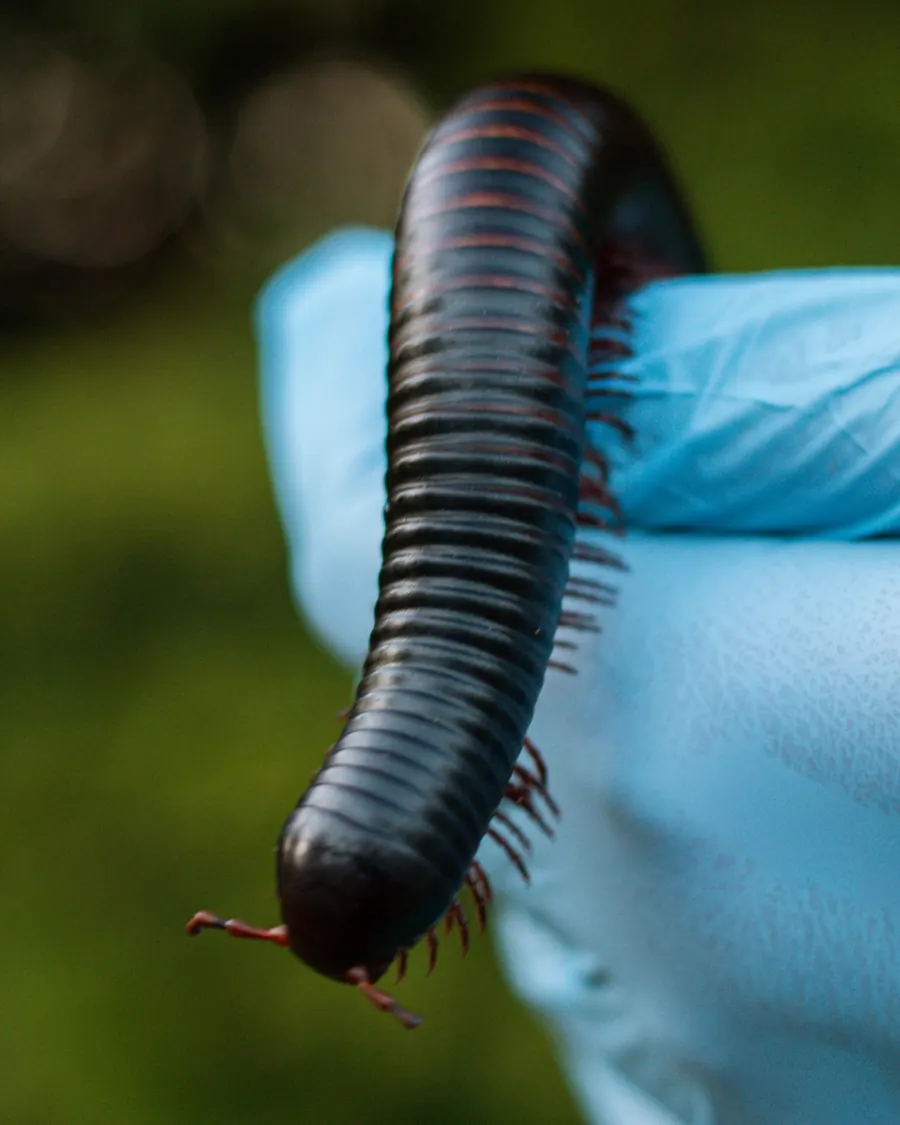
Two pairs of legs on most body segments, and they curl into a tight spiral when nervous. Millipedes eat dead leaves and wood, recycling them back into soil.
Schedule a program and Dr. Karina will bring the animals to your group.
Request a date